
It’s that time of year again, the swifts and the swallows are starting to return. Soon the summer sky will be full of the screaming of swifts, overhead wires lined with perched swallows.
Swifts, swallows, house martins and sand martins – all summer visitors to the UK and all incredible long-distance migrants, they make an arduous journey to our shores all the way from Africa. You might see all four of these species at one time or another, zipping over fields and lakes and catching insects on the wing. They move at such speed that it can often be difficult to tell them apart.
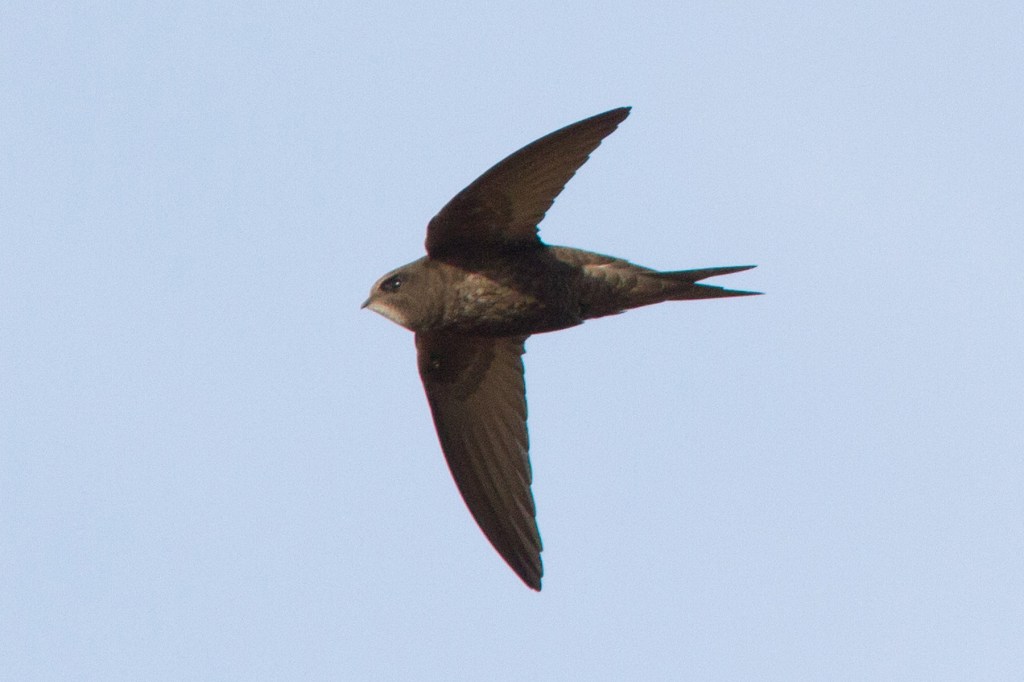
Swifts
Our most iconic heralds of summer, for the uninitiated swifts can go largely unnoticed; flying as they do so far up in the sky. Unless their screaming attracts your attention, or you’re fortunate enough to have them nesting nearby, you might not remark upon them.
But the more I learn about these remarkable creatures, the more I strive to see them. Swifts spend most of their lives on the wing, only rarely touching down on buildings, and almost never the ground. They eat, drink, mate and even sleep in the air – shutting down only part of their brain to rest for short periods of time.
Look out for arriving swifts in late April and early May. They come screaming in from the continent, having made a long journey all the way from Africa. They can be identified by their long, sickle-shaped wings and their dark colour against the sky.
I saw my first swifts while on holiday in Venice, but they must have been circling over my head back home in Bristol and the New Forest for years. Now I notice them often, darting overhead with incredible agility and speed. These elusive, almost otherworldly birds are currently at risk, with lack of places to nest being a major threat. Set up swift boxes in your home to help them out.
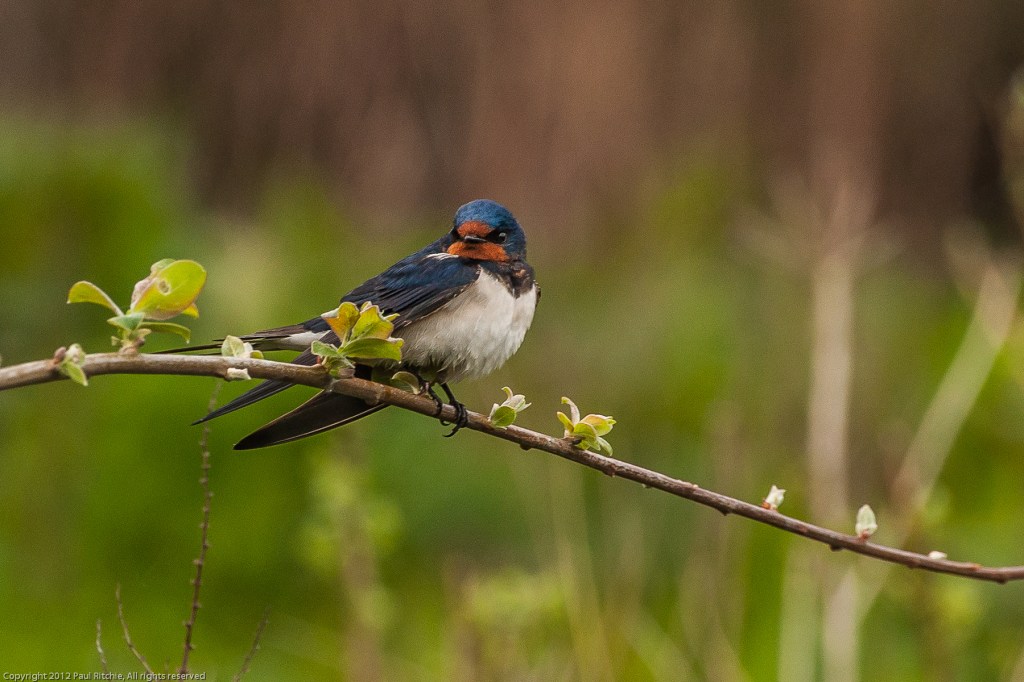
Swallows
Colourful swallows are another bird I have been observing for years and never really appreciating. Immediately recognisable by their long tail steamers and red face, swallows can often be seen in the countryside around water, often perched on overhead wires.
For me swallows always remind me of Jacquimo, the friendly swallow from the 1994 film Thumbelina. Elegant and colourful, they seem like a fairly exotic summer addition to the UK.
Like swifts, swallows will be arriving from Africa in April. They will breed in the UK, possible raising two broods. Then, come July, the juveniles will be on the wing, finding their own way back to Africa in September. Their journey to the UK takes around six weeks – which includes crossing the Sahara Desert – and the return journey can take around four weeks.
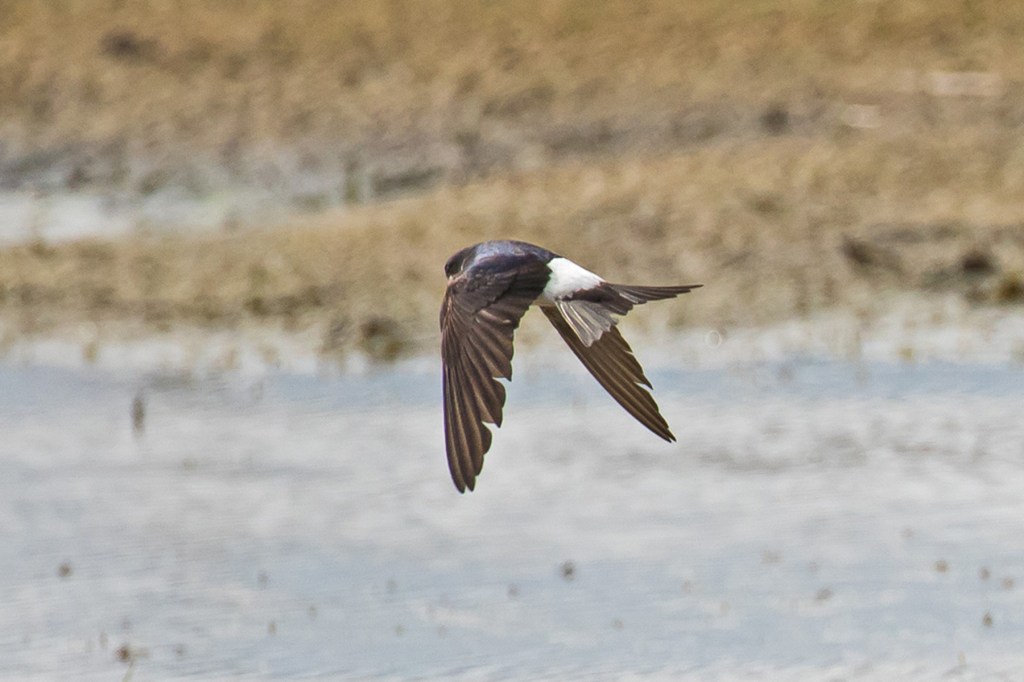
House martins
I first saw a house martin while kayaking in Bristol harbour. I knew it was a house martin because, well, it came out of a house. A tiny, dark bird with white underparts, pointed wings and a forked tail shot our from under the eaves of a house, zipped out over the water, performed a perfect loop and zoomed back home again.
It was magical to see such a spectacular bird in the very heart of the city I live in. There were plenty of people around (it was the weekend of the harbourside festival) and lots of noise and activity – not at all the sort of environment you’d expect to see a new species, and yet there it was. The house martin popped out a few more times as a bobbed around on my kayak.
Like swifts and swallows, house martins arrive in the UK in April and May and leave again between August and October.
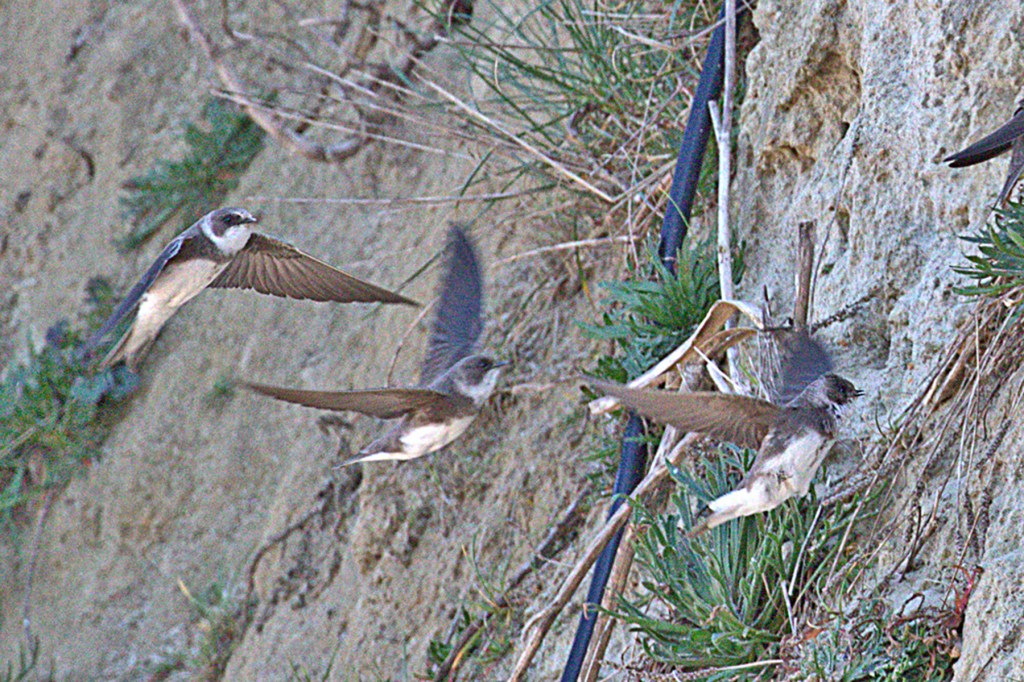
Sand martins
For a long time, sand martins eluded me. After seeing the house martin, I felt confident that I could tick off my aim of seeing a swift, a swallow, a house martin and a sand martin from my list of 30 nature things to do before 30 with relative ease. But I struggled to find the right habitat.
Sand martins tend to avoid built-up areas and instead favour the countryside. They require vertical sandy banks for nesting and so are seen around rivers, or sand or gravel quarries. Sand martins look very similar to house martins, except that they lack the obvious white rump. They are slimmer than house martins and their tails are less forked, but I find these hard to spot unless you see the two species side by side.
Fortunately, I had the opportunity to do just that at RSPB Leighton Moss. Arriving one rainy August day, I was lucky enough to see swarms of both house and sand martins from Causeway Hide. I must admit, I needed the help of another birdwatcher in the hide to be able to tell the two apart – it’s that white bit on the back you need to look out for!
Check out my full list of 30 nature things to do before 30.
 Emma Pocklington